
CategoriesAirportsBusiness Aircraft Operations

How to Arrange Secure Airport Transfers for Flight Crew and VIP Passengers

In aviation, security is often associated with aircraft operations, airport infrastructure, and regulatory compliance. However, for flight crew members and VIP passengers, security extends far beyond the airport perimeter. The journey between an airport, hotel, office, residence, or event venue can be just as important as the flight itself.

For business aviation operators, corporate flight departments, government delegations, diplomatic missions, charter brokers, and private jet travelers, airport transfers are not simply transportation arrangements. They are an important part of the overall travel operation. A poorly coordinated transfer can create delays, operational disruptions, privacy concerns, and unnecessary risks that affect the entire mission.

As private aviation continues to grow globally, the demand for secure and professionally managed airport transfer solutions has increased significantly. Travelers expect efficient movement between destinations, while operators require transportation that aligns with flight schedules, security requirements, and operational timelines.

At VVIP Flight, secure airport transfers form part of a broader aviation support framework that helps ensure smooth coordination between passengers, crew members, airport operations, and ground transportation providers.

Why Secure Airport Transfers Matter in Aviation

Commercial travelers often arrange transportation after landing without much consideration for operational planning. Business aviation operates differently. Private jet passengers, flight crews, government officials, corporate executives, and high-profile individuals frequently travel on tightly coordinated schedules where timing, reliability, and discretion are essential.

A delayed transfer may seem like a minor inconvenience, but in aviation, it can create a chain reaction of operational challenges. A crew arriving late at the airport can impact departure schedules. A passenger delayed in traffic may miss a planned aircraft departure slot. A transportation provider unfamiliar with airport access procedures may create unnecessary confusion during arrival or departure.

Secure airport transfers help eliminate these vulnerabilities by ensuring that transportation is coordinated as part of the broader travel plan. Rather than treating transportation as an isolated service, aviation operators increasingly view it as an extension of flight operations. This integrated approach helps improve efficiency while reducing operational risks throughout the journey.

Every Successful Transfer Begins with Advanced Planning

The most secure airport transfers are rarely the result of last-minute arrangements. They are typically the outcome of careful planning that begins well before the flight takes place.

Transfer planning usually starts with understanding the itinerary, passenger requirements, airport procedures, aircraft schedule, and destination logistics. Factors such as arrival times, hotel locations, traffic conditions, security considerations, and local transportation regulations must all be considered.

For international operations, planning becomes even more important. Different countries have different airport layouts, access procedures, traffic patterns, and transportation regulations. Without local knowledge and operational coordination, even simple transfers can become unnecessarily complicated.

Professional aviation support providers coordinate these details in advance, helping ensure that transportation is ready when passengers or crew members need it. This proactive approach significantly reduces the likelihood of delays and operational disruptions.

Understanding the Different Requirements of Passengers and Crew

Although passengers and crew members often travel on the same aircraft, their transportation requirements are rarely identical. VIP passengers typically prioritize efficiency, privacy, comfort, and schedule flexibility. Their transfers may involve meetings, events, hotels, private residences, or multiple destinations within a single day. Transportation must align closely with their itinerary while maintaining a professional and discreet travel experience.

Flight crews face a different set of requirements. Pilots and cabin crew frequently operate on regulated schedules that include mandatory rest periods, briefing sessions, repositioning flights, and hotel transfers. Transportation arrangements for crew members must support operational readiness while ensuring that crew schedules remain compliant and efficient.

Aviation operators that understand these distinctions are better positioned to create transportation plans that support both passenger satisfaction and operational performance.

The Importance of Real-Time Coordination

Even the most detailed travel plan may need adjustments as circumstances change. Weather conditions, airport congestion, aircraft delays, traffic disruptions, and schedule modifications can all affect transportation requirements. This is why secure airport transfers depend heavily on real-time communication and coordination.

Ground transportation providers, handling agents, airport support teams, crew members, and passenger representatives often need to work together to ensure that transportation schedules remain aligned with aircraft operations. Small timing adjustments can make a significant difference in maintaining efficiency.

A well-coordinated transportation plan provides flexibility without compromising reliability. This ability to adapt quickly is particularly important during international operations, complex itineraries, and high-profile movements where schedules may change with little notice.

Privacy and Discretion are Essential for VIP Travelers

Many private aviation passengers choose charter flights because they value privacy as much as convenience. Corporate executives, celebrities, government officials, diplomats, and ultra-high-net-worth individuals often require discreet transportation arrangements throughout their journey.

Airport transfers represent one of the most visible parts of the travel experience. Poorly coordinated pickups, unclear meeting points, unnecessary waiting periods, or public transportation arrangements can increase exposure and create avoidable complications.

Secure airport transfer services are designed to minimize these challenges through careful planning and professional execution. The objective is not only to move passengers efficiently but also to maintain the privacy and discretion that many VIP travelers expect.

For high-profile movements, transportation often becomes an important component of the overall security strategy rather than a standalone logistical service.

Supporting Diplomatic and Government Operations

Diplomatic and government flights present some of the most demanding transportation requirements in aviation. These operations often involve protocol procedures, security arrangements, official delegations, and multiple stakeholders working within highly structured schedules.

Transportation planning for diplomatic passengers frequently requires coordination between aviation support providers, airport authorities, protocol teams, security personnel, and transportation operators. Every movement must be carefully planned to ensure smooth execution while respecting official procedures.

VVIP Flight regularly supports complex aviation operations where transportation coordination forms an important part of the broader mission. In these situations, secure airport transfers help ensure that official delegations and government representatives can move efficiently while maintaining operational continuity.

Why Local Knowledge Makes a Difference

One of the most overlooked aspects of airport transfer planning is local expertise. An airport may appear straightforward on a map, but operational realities often tell a different story. Traffic conditions, airport access restrictions, terminal layouts, local regulations, and security procedures can vary significantly from one location to another.

Transportation providers with local experience are better equipped to anticipate potential challenges and identify efficient solutions. This knowledge becomes especially valuable for international operators, first-time visitors, and flight departments managing operations across multiple destinations. By combining local expertise with aviation-specific coordination, secure airport transfers become more reliable and predictable, helping travelers avoid unnecessary delays.

Integrating Transfers with Ground Handling and Passenger Support

In modern business aviation, airport transfers work best when they are integrated with other aviation support services rather than managed independently. Passenger handling, airport assistance, concierge services, baggage coordination, ground handling, hotel arrangements, and transportation planning all contribute to the overall travel experience. When these services operate in isolation, communication gaps can create inefficiencies. When they are coordinated together, the journey becomes significantly smoother.

This integrated approach is increasingly becoming the industry standard because it allows aviation operators to manage complex travel requirements through a single coordinated support framework. At VVIP Flight, transportation services are designed to complement broader aviation operations, helping create seamless transitions between air and ground activities.

How VVIP Flight Arranges Secure Airport Transfers

VVIP Flight provides coordinated transportation support for private jet passengers, flight crews, corporate travelers, diplomatic delegations, and aviation operators. Every transfer is planned with a focus on reliability, operational efficiency, passenger comfort, and schedule coordination.

By working closely with airport support teams, ground handling providers, transportation partners, and aviation stakeholders, VVIP Flight helps ensure that passengers and crew members can move efficiently between airports, hotels, offices, residences, and other destinations. Whether supporting a private charter operation, a diplomatic mission, or a corporate aviation movement, the objective remains the same: deliver secure, professional, and seamless transportation solutions that support the success of the overall mission.

For inquiries and bookings, please contact us at ops@vvipflight.com 

Disclaimer: Transportation services and operational procedures may vary by airport, destination, and local regulations. Please contact our operations team for the latest information before planning your journey.

Frequently Asked Questions (FAQs)

  1. Why are secure airport transfers important for private aviation?

Secure airport transfers help ensure smooth coordination between flight operations and ground transportation, reducing delays and improving overall travel efficiency.

  1. How far in advance should airport transfers be arranged?

Airport transfers should ideally be arranged as part of the overall flight planning process to ensure proper coordination with schedules, airport procedures, and passenger requirements.

  1. Do flight crews require dedicated airport transportation?

Yes. Crew transportation supports operational readiness and helps ensure that pilots and cabin crew can move efficiently between airports, hotels, and operational facilities.

  1. What makes a VIP airport transfer secure?

Secure transfers involve advanced planning, professional coordination, reliable transportation providers, local expertise, and attention to privacy and operational requirements.

  1. Can VVIP Flight coordinate airport transfers alongside other aviation services?

Yes. VVIP Flight can integrate airport transfers with passenger handling, airport assistance, concierge services, ground handling support, and other aviation solutions.

CategoriesAirports

Head of State & Diplomatic Flight Operations at Mumbai Airport (BOM/VABB): Complete Protocol Guide for Embassies and Mission Planners

A Head of State movement into India is far more than an airport arrival. Every aspect of the operation, from diplomatic clearances and security approvals to convoy movements, aircraft access, protocol arrangements, and departure procedures, is coordinated through a structured framework involving multiple government agencies.

As India’s financial capital and one of its busiest international gateways, Mumbai Airport regularly handles presidential aircraft, royal flights, government delegations, diplomatic missions, and special state visits. Successful execution requires close coordination between embassies, the Ministry of External Affairs (MEA), the Ministry of Home Affairs (MHA), BCAS, CAA, airport authorities, security agencies, and ground support providers.

This guide outlines the key protocol requirements for Heads of State, diplomatic missions, and government operators planning a visit to Mumbai Airport (BOM/VABB).

Diplomatic Flight Clearance and AOR Requirements

Before a state aircraft can operate into India, mission planners must determine whether the flight requires only a Diplomatic Clearance or both a Diplomatic Clearance and an Air Operations Routine (AOR) Number.

For diplomatic flights operating into Mumbai Airport, the embassy submits a Note Verbale to the Ministry of External Affairs. Following approval, the DGCA issues the necessary flight clearance. In most cases, diplomatic clearances can be processed within 3 to 7 working days, although urgent government missions may receive expedited consideration.

An AOR Number is a separate approval issued by the Ministry of Defence and is generally required when the operation involves a military aircraft, a military call sign, a defence airfield, or a military-controlled parking location. Since Mumbai Airport is a civilian international airport, most diplomatic missions require diplomatic clearance only. However, mission planners should always verify requirements based on the nature of the operation.

Understanding the distinction between diplomatic clearance and AOR approval remains one of the most important aspects of planning a state flight into India.

Where are the Head of State Aircraft Parked at Mumbai Airport?

Mumbai Airport does not have a separate military technical area dedicated to Heads of State and diplomatic aircraft. State aircraft are generally parked within the commercial airport environment alongside other aircraft movements, although dedicated parking positions may be allocated based on operational requirements, aircraft size, security considerations, and airport traffic.

Parking coordination is managed through airport authorities, Air Traffic Control, security agencies, and the appointed handling provider. Since the apron capacity at Mumbai can be limited during peak periods, early coordination is strongly recommended for all diplomatic and government flights.

Ceremonial Lounge and Red Carpet Reception Protocol

Mumbai Airport offers dedicated ceremonial facilities for visiting dignitaries and senior government officials. Heads of State, Prime Ministers, Presidents, Chief Ministers, Royal Family members, and other designated dignitaries may be processed through the Ceremonial Lounge rather than standard passenger facilities. The lounge provides a private and controlled environment suitable for official receptions, protocol activities, and government coordination. 

Motorcade access up to the aircraft is generally authorized for the Head of State, Presidential, and select VVIP flights. Similar access for other dignitaries may be granted on a case-by-case basis, subject to approval by the Ministry of External Affairs (MEA) and the competent security and airport authorities in accordance with established protocol. 

Red carpet receptions, official greetings, and diplomatic welcoming arrangements can be coordinated through the relevant authorities based on the status of the visiting delegation. All ceremonial arrangements must be planned in advance through diplomatic channels and approved by the appropriate government agencies.

Motorcade Access and Airside Vehicle Permissions

One of the most visible elements of a diplomatic visit is the official motorcade. At Mumbai Airport, approved motorcades and official vehicles can be granted controlled airside access between the Ceremonial Lounge area and the aircraft parking stand. Access is typically coordinated through designated airport entry points, including the Terminal 2 Sterile Gate, under strict security supervision.

For Heads of State and other senior dignitaries, official vehicles may be permitted to proceed directly to the aircraft, subject to protocol classification and security approval. All vehicle permissions require advance approval. The embassy must submit the request through a Note Verbale to the Ministry of External Affairs, which coordinates with the Ministry of Home Affairs, BCAS, airport authorities, and other relevant agencies. Only approved vehicles and named personnel are permitted access to restricted airport areas.

Tarmac Access for Embassy Staff and Advance Teams

Diplomatic missions frequently require access for protocol officers, advance teams, security personnel, interpreters, and official representatives. Since all operations take place within the commercial airport environment, access to restricted areas is tightly controlled. Requests must be submitted well in advance through diplomatic channels.

Only personnel specifically included in the approved authorization will be permitted access to the aircraft parking area, Ceremonial Lounge, or other restricted zones. Last-minute additions are generally difficult to accommodate and should be avoided wherever possible.

Security Teams, Firearms, and Protective Equipment

Many Heads of State travel with dedicated close-protection teams. Where security personnel need to carry firearms, ammunition, or other protective equipment, all items must be declared in advance through diplomatic channels. Approval is coordinated between the Ministry of External Affairs, the Ministry of Home Affairs, the Bureau of Civil Aviation Security, the Customs authorities, and other relevant agencies.

All approved security equipment is subject to inspection and processing in accordance with the permissions granted by the Government of India. Mission planners should ensure that all security requirements are communicated as early as possible to avoid operational delays.

Aircraft Security During Ground Time

Aircraft protection remains an important consideration for state visits. While Mumbai Airport provides security coverage in accordance with established airport and government protocols, certain countries may request permission for their own security personnel to remain responsible for aircraft protection during the visit.

Such requests require advance approval through diplomatic channels. Only approved personnel and vehicles may access the aircraft while it is parked.

Catering Requirements for VVIP Flights

Catering for Head of State and VVIP flights is subject to additional protocol procedures. Depending on the nature of the mission, caterers may be required to provide food samples for review by the relevant health and security authorities before departure. These procedures form part of the standard protocol framework applicable to certain diplomatic operations in India. Mission planners should ensure that catering providers are informed of these requirements during the planning phase.

Baggage Screening and Security Procedures

All baggage departing Mumbai Airport is subject to applicable aviation security procedures. If an embassy requires special handling arrangements or exemptions from standard screening requirements, requests must be submitted through diplomatic channels and approved before the aircraft arrives. Diplomatic status alone does not automatically exempt baggage from local security procedures.

Crew and Passenger Visa Requirements

Flight crew arriving in India are generally required to carry a valid Business Visa or e-Business Visa unless exempt under a diplomatic arrangement.

Passengers must carry the appropriate visa or travel authorization unless covered by a diplomatic passport exemption agreement between India and the visitor’s country. For short-notice state visits, embassies may coordinate special immigration arrangements through the Ministry of External Affairs, where applicable.

Fuel Tax Exemption for Diplomatic Flights

Diplomatic aircraft operating into Mumbai Airport may be eligible for Excise Duty Exemption on Aviation Turbine Fuel. The exemption must be requested through the appropriate diplomatic process, and supporting documentation should be completed before aircraft arrival. Early coordination helps avoid delays and ensures the exemption can be processed efficiently.

Why Mumbai Airport Requires a Different Planning Approach Than Delhi

One of the biggest differences between Mumbai and Delhi is the airport infrastructure used for diplomatic operations.

At Delhi Airport, most Head of State flights operate through the Palam Air Force technical area, which is separated from commercial passenger operations. Mumbai Airport, by contrast, conducts diplomatic operations within the commercial airport environment while maintaining the same security, protocol, and operational standards. This makes advance planning particularly important, especially for parking allocation, convoy access, ceremonial arrangements, and airside vehicle coordination.

VVIP Flight: Diplomatic Mission Support at Mumbai Airport

VVIP Flight Pvt Ltd provides dedicated support for Heads of State, government delegations, royal flights, and diplomatic missions operating into Mumbai Airport and throughout India.

Services include diplomatic clearance coordination, airport slots, parking arrangements, ground handling, fuel coordination, crew transportation, security coordination, ceremonial lounge support, convoy planning, visa assistance, catering arrangements, and operational support for visiting embassies and government operators.

For assistance with your next diplomatic mission to Mumbai, please contact our operations team at ops@vvipflight.com

Disclaimer: Information contained in this article is subject to change without notice. Embassies and operators should always verify current requirements with the relevant authorities before planning any diplomatic mission.

Frequently Asked Questions (FAQs)

  1. Does Mumbai Airport have a separate Head of State terminal like Delhi Airport?

No. Unlike Delhi’s Palam technical area, diplomatic and Head of State operations at Mumbai Airport are generally conducted through the commercial airport infrastructure using dedicated protocol and ceremonial facilities.

  1. Can a diplomatic motorcade access the aircraft at Mumbai Airport?

Yes. Approved motorcades and official vehicles may be granted controlled airside access subject to prior authorization from the relevant authorities and airport security agencies.

  1. Is the Ceremonial Lounge available for foreign Heads of State at Mumbai Airport?

Yes. The Ceremonial Lounge can be used for Heads of State, Prime Ministers, senior government officials, and other approved dignitaries as part of official protocol arrangements.

  1. Can foreign security teams carry firearms during a state visit to Mumbai?

Yes, provided all firearms and protective equipment are declared in advance and approved through the required diplomatic and security clearance process.

  1. How long does it take to obtain diplomatic clearance for a state aircraft operating into Mumbai?

Most diplomatic clearances are processed within 3-7 working days after submission of the embassy’s Note Verbale, although urgent government missions may be handled on shorter notice depending on circumstances.

CategoriesAirports

Head of State & Diplomatic Flight Operations at Hyderabad Airport (HYD/VOHS): Complete Protocol Guide for Embassies and Mission Planners

A Head of State movement into India is far more than an airport arrival. Every aspect of the operation, from diplomatic clearances and security approvals to convoy movements, aircraft access, protocol arrangements, and departure procedures, is coordinated through a structured framework involving multiple government agencies.

As one of South India’s busiest international gateways, Hyderabad Airport regularly handles presidential aircraft, royal flights, government delegations, diplomatic missions, and special state visits. Successful execution requires close coordination between embassies, the Ministry of External Affairs (MEA), the Ministry of Home Affairs (MHA), BCAS, DGCA, airport authorities, security agencies, and ground support providers.

This guide outlines the key protocol requirements for Heads of State, diplomatic missions, and government operators planning a visit to Hyderabad Airport (HYD/VOHS).

Diplomatic Flight Clearance and AOR Requirements

Before a state aircraft can operate into India, mission planners must determine whether the flight requires only a Diplomatic Clearance or both a Diplomatic Clearance and an Air Operations Routine (AOR) Number.

For diplomatic flights operating into Hyderabad Airport, the embassy submits a Note Verbale to the Ministry of External Affairs. Following approval, the DGCA issues the necessary flight clearance. In most cases, diplomatic clearances can be processed within 3 to 7 working days, although urgent government missions may receive expedited consideration.

An AOR Number is a separate approval issued by the Ministry of Defence and is generally required when the operation involves a military aircraft, a military call sign, a defence airfield, or a military-controlled parking location. Since Hyderabad Airport is a civilian international airport, most diplomatic missions require diplomatic clearance only. However, mission planners should always verify requirements based on the nature of the operation.

Understanding the distinction between diplomatic clearance and AOR approval remains one of the most important aspects of planning a state flight into India.

Where are the Head of State Aircraft Parked at Hyderabad Airport?

Hyderabad Airport does not have a separate military technical area dedicated to Heads of State and diplomatic aircraft. State aircraft are generally parked within the commercial airport environment alongside other aircraft movements, although dedicated parking positions may be allocated based on operational requirements, aircraft size, security considerations, and airport traffic.

Parking coordination is managed through airport authorities, Air Traffic Control, security agencies, and the appointed handling provider. During major international conferences, government events, and periods of increased traffic, advance parking coordination is strongly recommended for diplomatic and government aircraft.

Ceremonial Lounge and Red Carpet Reception Protocol

Hyderabad Airport offers dedicated protocol and VIP handling facilities for visiting dignitaries and senior government officials. Heads of State, Prime Ministers, Presidents, Chief Ministers, Royal Family members, and other designated dignitaries may be processed through dedicated protocol facilities rather than standard passenger channels. These facilities provide a secure and controlled environment suitable for official receptions, protocol activities, and government coordination.

Motorcade access up to the aircraft may be authorized for Heads of State, Presidential flights, and select VVIP missions. Similar access for other dignitaries may be granted, subject to approval by the Ministry of External Affairs and the relevant security and airport authorities. Official receptions, red carpet ceremonies, and diplomatic welcoming arrangements must be coordinated in advance through diplomatic channels.

Motorcade Access and Airside Vehicle Permissions

One of the most visible elements of a diplomatic visit is the official motorcade. At Hyderabad Airport, approved motorcades and official vehicles may be granted controlled access to restricted airport areas under strict security procedures.

For Heads of State and senior dignitaries, official vehicles may be permitted to proceed directly to the aircraft, subject to protocol classification and security approval.

All vehicle permissions require advance approval. The embassy must submit the request through a Note Verbale to the Ministry of External Affairs, which coordinates with the Ministry of Home Affairs, BCAS, airport authorities, and other relevant agencies. Only approved vehicles and named personnel are permitted access to restricted airport areas.

Tarmac Access for Embassy Staff and Advance Teams

Diplomatic missions frequently require access for protocol officers, advance teams, security personnel, interpreters, and official representatives. Since all operations take place within the commercial airport environment, access to restricted areas is tightly controlled.

Requests must be submitted well in advance through diplomatic channels. Only personnel specifically included in the approved authorization will be permitted access to the aircraft parking area, protocol facilities, or other restricted zones.

Last-minute additions are generally difficult to accommodate and should be avoided wherever possible.

Security Teams, Firearms, and Protective Equipment

Many Heads of State travel with dedicated close-protection teams. Where security personnel need to carry firearms, ammunition, or other protective equipment, all items must be declared in advance through diplomatic channels. Approval is coordinated between the Ministry of External Affairs, the Ministry of Home Affairs, the Bureau of Civil Aviation Security, Customs authorities, and other relevant agencies.

All approved security equipment is subject to inspection and processing in accordance with the permissions granted by the Government of India. Mission planners should ensure that all security requirements are communicated as early as possible to avoid operational delays.

Aircraft Security During Ground Time

Aircraft protection remains an important consideration for state visits. While Hyderabad Airport provides security coverage in accordance with established airport and government protocols, certain countries may request permission for their own security personnel to remain responsible for aircraft protection during the visit.

Such requests require advance approval through diplomatic channels. Only approved personnel and vehicles may access the aircraft while it is parked.

Catering Requirements for VVIP Flights

Catering for Head of State and VVIP flights is subject to additional protocol procedures. Depending on the nature of the mission, caterers may be required to provide food samples for review by the relevant health and security authorities before departure.

These procedures form part of the standard protocol framework applicable to certain diplomatic operations in India. Mission planners should ensure that catering providers are informed of these requirements during the planning phase.

Baggage Screening and Security Procedures

All baggage departing Hyderabad Airport is subject to applicable aviation security procedures. If an embassy requires special handling arrangements or exemptions from standard screening requirements, requests must be submitted through diplomatic channels and approved before the aircraft arrives. Diplomatic status alone does not automatically exempt baggage from local security procedures.

Crew and Passenger Visa Requirements

Flight crew arriving in India are generally required to carry a valid Business Visa or e-Business Visa unless exempt under a diplomatic arrangement.

Passengers must carry the appropriate visa or travel authorization unless covered by a diplomatic passport exemption agreement between India and the visitor’s country. For short-notice state visits, embassies may coordinate special immigration arrangements through the Ministry of External Affairs, where applicable.

Fuel Tax Exemption for Diplomatic Flights

Diplomatic aircraft operating into Hyderabad Airport may be eligible for Excise Duty Exemption on Aviation Turbine Fuel. The exemption must be requested through the appropriate diplomatic process, and supporting documentation should be completed before aircraft arrival.

Early coordination helps avoid delays and ensures the exemption can be processed efficiently.

Why Hyderabad Airport Requires a Different Planning Approach Than Delhi

One of the biggest differences between Hyderabad and Delhi is the airport infrastructure used for diplomatic operations.

At Delhi Airport, most Head of State flights operate through the Palam Air Force technical area, which is separated from commercial passenger operations. Hyderabad Airport, by contrast, conducts diplomatic operations within the commercial airport environment while maintaining the same security, protocol, and operational standards. This makes planning particularly important, especially for parking allocation, convoy access, ceremonial arrangements, and airside vehicle coordination.

VVIP Flight: Diplomatic Mission Support at Hyderabad Airport

VVIP Flight Pvt Ltd provides dedicated support for Heads of State, government delegations, royal flights, and diplomatic missions operating into Hyderabad Airport and throughout India.

Services include diplomatic clearance coordination, airport slots, parking arrangements, ground handling, fuel coordination, crew transportation, security coordination, protocol support, visa assistance, catering arrangements, and operational support for visiting embassies and government operators.

For assistance with your next diplomatic mission to Hyderabad, please contact our operations team at ops@vvipflight.com.

Disclaimer: Information contained in this article is subject to change without notice. Embassies and operators should always verify current requirements with the relevant authorities before planning any diplomatic mission.

Frequently Asked Questions (FAQs)

  1. Does Hyderabad Airport have a separate Head of State terminal like Delhi Airport?

No. Diplomatic and Head of State operations at Hyderabad Airport are generally conducted through the commercial airport infrastructure using dedicated protocol and VIP handling facilities.

  1. Can a diplomatic motorcade access the aircraft at Hyderabad Airport?

Yes. Approved motorcades and official vehicles may be granted controlled airside access subject to prior authorization from the relevant authorities and airport security agencies.

  1. Is an AOR required for diplomatic flights operating into Hyderabad Airport?

Most diplomatic flights operating into Hyderabad Airport require diplomatic clearance only. An AOR may be required if the operation involves military aircraft, military call signs, or defence-related infrastructure.

  1. Can foreign security teams carry firearms during a state visit to Hyderabad?

Yes, provided all firearms and protective equipment are declared in advance and approved through the required diplomatic and security clearance process.

  1. How long does it take to obtain diplomatic clearance for a state aircraft operating into Hyderabad?

Most diplomatic clearances are processed within 3–7 working days after submission of the embassy’s Note Verbale, although urgent government missions may be handled on shorter notice depending on circumstances.

CategoriesAirports

Best Alternate Airports for Chandigarh International Airport (Chandigarh), VICG airport, IXC airport – A Complete Guide

Chandigarh Airport (VICG) is a strategically important aviation hub in Northern India, serving both domestic and international flights while supporting a growing volume of business aviation operations.

For business jet operators, charter flights, government delegations, cargo missions, military movements, and medical evacuation flights, identifying reliable alternate airports near Chandigarh is essential for maintaining operational efficiency, passenger safety, and schedule reliability. Factors such as airport operating hours, aviation fuel availability, Aircraft Rescue and Fire Fighting Services (RFFS), customs and immigration facilities, aircraft parking capacity, and ground handling support are critical when selecting suitable diversion airports.

The following airports are among the top alternate airports near Chandigarh Airport (VICG) for flight diversions, contingency planning, and business aviation operational support.

  1. Airport Name: INDIRA GANDHI INTERNATIONAL AIRPORT
  • ICAO Code: VIDP
  • IATA Code: DEL
  • City: DELHI
  • Distance in Nautical Miles: 120 NM
  • Operating hours of VIDP airport: H24
  • Restrictions if any: NIL AS OF DATE
  • AOE (Airport of Entry) –YES (International Airport)
  • Customs/ Immigration at VIDP airport: Available
  • Type of Airport: CIVIL
  • RFFS at VIDP airport: CAT IX
  • Fuel availability: JET A1
  • Ground Handler at Delhi International Airport: VVIP FLIGHT PRIVATE LIMITED (ops@vvipflight.com)
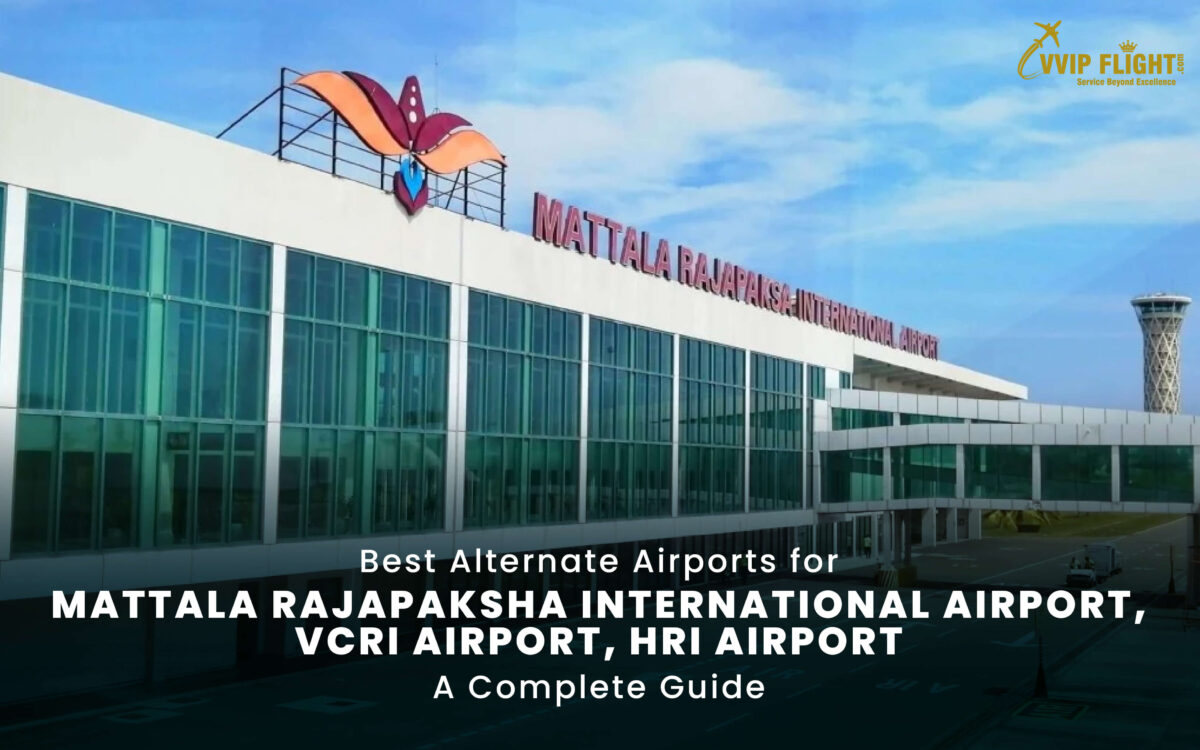
  1. Airport Name: JAIPUR INTERNATIONAL AIRPORT
  • ICAO Code: VIJP
  • IATA Code: JAI
  • City: JAIPUR
  • Distance in Nautical Miles: 200 NM
  • Operating hours of VIJP airport: H24
  • Restrictions if any: NOTAM 0900 UTC – 1100 UTC (EVERY TUE & WED)
  • AOE (Airport of Entry) –YES (International Airport)
  • Customs/ Immigration at VIJP airport: Available
  • Type of Airport: CIVIL
  • RFFS of VIJP airport: CAT IX
  • Fuel availability: JET A1
  • Ground Handler at Jaipur international airport: VVIP FLIGHT PRIVATE LIMITED (ops@vvipflight.com)
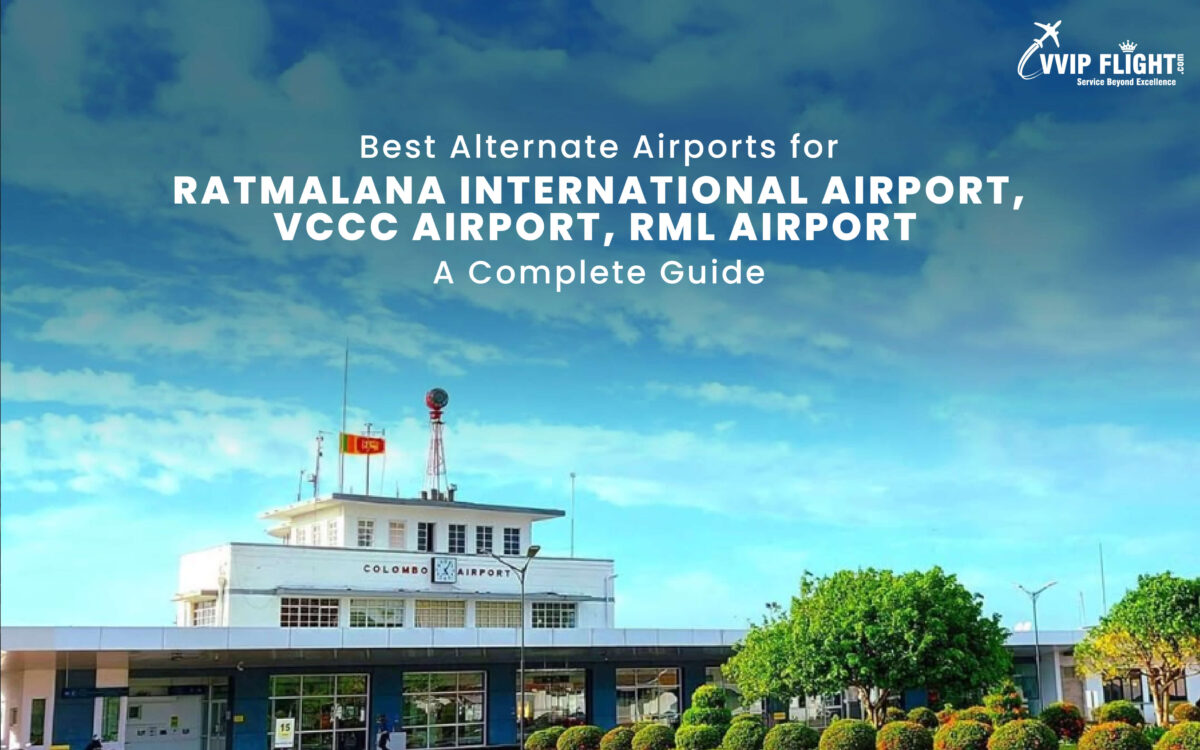
  1. Airport Name: JOLLY GRANT AIRPORT
  • ICAO Code: VIDN
  • IATA Code: DED
  • City: DEHRADUN
  • Distance in Nautical Miles: 80 NM
  • Operating hours of VIDN airport: DLY (0200 UTC – 1450 UTC)
  • Restrictions if any: NIL AS OF DATE
  • AOE (Airport of Entry): No (Domestic airport)
  • Customs/ Immigration at VIDN airport: NOT AVAILABLE
  • Type of Airport: CIVIL
  • RFFS at VIDN airport: CAT V
  • Fuel availability: JET A1
  • Ground Handler at Dehradun Jolly Grant Airport: VVIP FLIGHT PRIVATE LIMITED (ops@vvipflight.com)
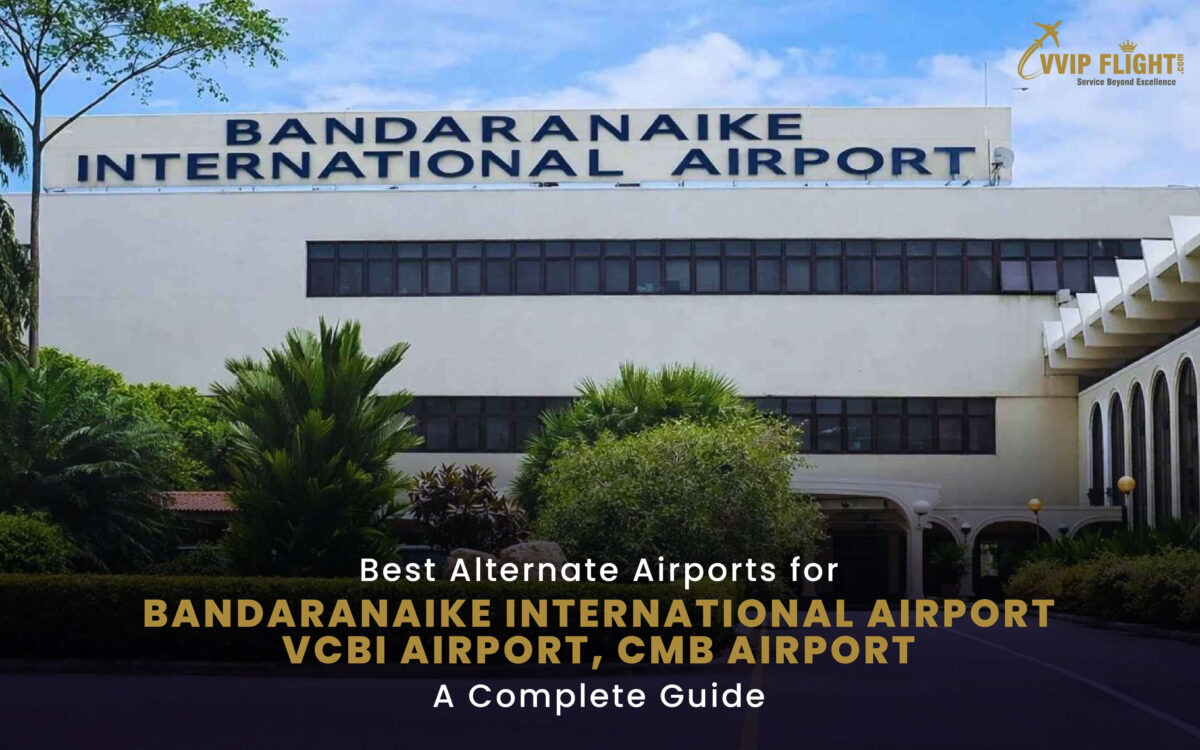
  1. Airport Name: AMRITSAR AIRPORT
  • ICAO Code: VIAR
  • IATA Code: ATQ
  • City: AMRITSAR
  • Distance in Nautical Miles: 115 NM
  • Operating hours of VIAR airport: 0815 – 1615 UTC
  • Restrictions if any: NIL AS OF DATE
  • AOE (Airport of Entry): YES (International Airport)
  • Customs/ Immigration at VIAR airport: AVAILABLE
  • Type of Airport: CIVIL
  • RFFS at VIAR airport: CAT VIII
  • Fuel availability: JET A1
  • Ground Handler at AMRITSAR AIRPORT: VVIP FLIGHT PRIVATE LIMITED (ops@vvipflight.com)
Note: Please note that Noida International Airport (Jewar Airport), DXN airport, VIND airport has not been included in the list, as it has not yet commenced flight operations.

In business aviation, alternate airport planning is a vital component of operational risk management and mission success. It ensures operators can maintain schedule integrity and operational flexibility when unforeseen circumstances arise.

At Chandigarh Airport (VICG), factors such as adverse weather conditions, air traffic congestion, VIP movements, aircraft parking constraints, runway maintenance, and other operational limitations can affect flight operations. Having pre-approved and operationally suitable alternate airports enables operators to respond efficiently, reduce delays, enhance passenger experience, and maintain the highest levels of safety and compliance.

Experienced aviation support providers play a crucial role in coordinating diversion planning and operational requirements, including flight permits, ground handling, aircraft fueling, crew assistance, airport slot coordination, passenger services, and premium inflight catering. Their expertise helps ensure seamless operations throughout every stage of the mission.

Planning a flight to Chandigarh Airport (VICG)?

For comprehensive flight support services, ground handling coordination, permit assistance, fueling arrangements, and operational support, please contact us at ops@vvipflight.com.

CategoriesAirportsBusiness Aircraft Operations

Head of State & Diplomatic Flight Operations at Bengaluru Airport (BLR/VOBL): Complete Protocol Guide for Embassies and Mission Planners

A Head of State movement into India is far more than an airport arrival. Every aspect of the operation, from diplomatic clearances and security approvals to convoy movements, aircraft access, protocol arrangements, and departure procedures, is coordinated through a structured framework involving multiple government agencies.

As India’s technology capital and one of the country’s busiest international gateways, Kempegowda International Airport Bengaluru (BLR/VOBL) regularly handles presidential aircraft, royal flights, government delegations, diplomatic missions, and special state visits. Successful execution requires close coordination between embassies, the Ministry of External Affairs (MEA), the Ministry of Home Affairs (MHA), BCAS, DGCA, airport authorities, security agencies, and ground support providers.

This guide outlines the key protocol requirements for Heads of State, diplomatic missions, and government operators planning a visit to Bengaluru Airport (BLR/VOBL).

Diplomatic Flight Clearance and AOR Requirements

Before a state aircraft can operate into India, mission planners must determine whether the flight requires only a Diplomatic Clearance or both a Diplomatic Clearance and an Air Operations Routine (AOR) Number.

For diplomatic flights operating into Bengaluru Airport, the embassy submits a Note Verbale to the Ministry of External Affairs. Following approval, the DGCA issues the necessary flight clearance. In most cases, diplomatic clearances can be processed within 3 to 7 working days, although urgent government missions may receive expedited consideration.

An AOR Number is a separate approval issued by the Ministry of Defence and is generally required when the operation involves a military aircraft, a military call sign, a defence airfield, or a military-controlled parking location. Since Bengaluru Airport is a civilian international airport, most diplomatic missions require diplomatic clearance only. However, mission planners should always verify requirements based on the nature of the operation.

Understanding the distinction between diplomatic clearance and AOR approval remains one of the most important aspects of planning a state flight into India.

Where are the Head of State Aircraft Parked at Bengaluru Airport?

Bengaluru Airport does not operate a separate military technical area similar to Delhi’s Palam Air Force Station. State aircraft are generally parked within the airport’s commercial aviation infrastructure, with parking positions allocated based on operational requirements, aircraft size, security considerations, and apron availability.

Parking coordination is managed through airport authorities, Air Traffic Control, security agencies, and the appointed handling provider. Given Bengaluru Airport’s high volume of international and domestic traffic, early coordination is strongly recommended for all diplomatic and government aircraft operations.

Dedicated VVIP Lounge and Ceremonial Reception Protocol

One of the distinguishing features of Bengaluru Airport is its dedicated VVIP Lounge facility designed specifically for Heads of State, Presidents, Prime Ministers, Royal Family members, Governors, Chief Ministers, and other senior dignitaries.

Unlike many airports where protocol arrangements are integrated within the commercial terminal environment, Bengaluru Airport offers a dedicated VVIP facility that allows dignitaries to arrive and depart through a secure and private environment away from regular passenger operations.

The facility is designed to support official receptions, protocol coordination, diplomatic movements, and high-level government visits while maintaining the highest standards of security and privacy.

Red carpet receptions, ceremonial welcomes, and official greetings may be coordinated through the relevant authorities based on the status of the visiting delegation. All ceremonial arrangements must be approved and coordinated in advance through diplomatic channels.

Motorcade Access and Airside Vehicle Permissions

One of the most visible elements of a diplomatic visit is the official motorcade. At Bengaluru Airport, approved motorcades and official vehicles may be granted controlled access between the VVIP facility and the aircraft parking stand under approved security procedures.

For Heads of State, Presidential flights, and select VVIP missions, official vehicles may be permitted to proceed directly to the aircraft, subject to protocol classification and security approval. All vehicle permissions require advance approval. The embassy must submit the request through a Note Verbale to the Ministry of External Affairs, which coordinates with the Ministry of Home Affairs, BCAS, airport authorities, and other relevant agencies. Only approved vehicles and named personnel are permitted access to restricted airport areas.

Tarmac Access for Embassy Staff and Advance Teams

Diplomatic missions frequently require access for protocol officers, advance teams, security personnel, interpreters, and official representatives. Since airport operational areas remain highly restricted, access requests must be submitted well in advance through diplomatic channels.

Only personnel specifically included in the approved authorization will be permitted access to the aircraft parking area, VVIP Lounge, reception facilities, or other restricted zones. Last-minute additions are generally difficult to accommodate and should be avoided wherever possible.

Security Teams, Firearms, and Protective Equipment

Many Heads of State travel with dedicated close-protection teams. Where security personnel need to carry firearms, ammunition, or other protective equipment, all items must be declared in advance through diplomatic channels.

Approval is coordinated between the Ministry of External Affairs, the Ministry of Home Affairs, the Bureau of Civil Aviation Security, Customs authorities, and other relevant agencies. All approved security equipment is subject to inspection and processing in accordance with the permissions granted by the Government of India. Mission planners should ensure that all security requirements are communicated as early as possible to avoid operational delays.

Aircraft Security During Ground Time

Aircraft protection remains an important consideration for state visits. While Bengaluru Airport provides security coverage in accordance with established airport and government protocols, certain countries may request permission for their own security personnel to remain responsible for aircraft protection during the visit.

Such requests require advance approval through diplomatic channels. Only approved personnel and vehicles may access the aircraft while it is parked.

Catering Requirements for VVIP Flights

Catering for Head of State and VVIP flights is subject to additional protocol procedures. Depending on the nature of the mission, caterers may be required to provide food samples for review by the relevant health and security authorities before departure.

These procedures form part of the standard protocol framework applicable to certain diplomatic operations in India. Mission planners should ensure that catering providers are informed of these requirements during the planning phase.

Baggage Screening and Security Procedures

All baggage departing Bengaluru Airport is subject to applicable aviation security procedures. If an embassy requires special handling arrangements or exemptions from standard screening requirements, requests must be submitted through diplomatic channels and approved before the aircraft arrives. Diplomatic status alone does not automatically exempt baggage from local security procedures.

Crew and Passenger Visa Requirements

Flight crew arriving in India are generally required to carry a valid Business Visa or e-Business Visa unless exempt under a diplomatic arrangement.

Passengers must carry the appropriate visa or travel authorization unless covered by a diplomatic passport exemption agreement between India and the visitor’s country. For short-notice state visits, embassies may coordinate special immigration arrangements through the Ministry of External Affairs, where applicable.

Fuel Tax Exemption for Diplomatic Flights

Diplomatic aircraft operating into Bengaluru Airport may be eligible for Excise Duty Exemption on Aviation Turbine Fuel. The exemption must be requested through the appropriate diplomatic process, and supporting documentation should be completed before aircraft arrival. Early coordination helps avoid delays and ensures the exemption can be processed efficiently.

Why Bengaluru Airport Requires a Different Planning Approach Than Delhi

One of the biggest differences between Bengaluru and Delhi is the airport infrastructure used for diplomatic operations. At Delhi Airport, most Head of State flights operate through the Palam Air Force technical area, which is separated from commercial passenger operations. Bengaluru Airport, while operating within a commercial airport environment, offers a dedicated VVIP facility specifically designed to support dignitary movements and diplomatic operations.

This dedicated infrastructure provides an additional level of privacy and operational flexibility while maintaining the same security and protocol standards required for high-level diplomatic missions.

Bengaluru’s Growing Role in Diplomatic Aviation

As India’s technology and innovation hub, Bengaluru regularly hosts international government delegations, ministerial visits, trade missions, technology partnerships, defence industry events, and global business forums.

The city’s growing international importance has led to an increasing number of diplomatic and government aircraft operations, making Bengaluru Airport one of India’s key gateways for high-level international visits. The airport’s dedicated VVIP infrastructure further strengthens its position as an important destination for diplomatic aviation.

VVIP Flight: Diplomatic Mission Support at Bengaluru Airport

VVIP Flight Pvt Ltd provides dedicated support for Heads of State, government delegations, royal flights, and diplomatic missions operating into Bengaluru Airport and throughout India.

Services include diplomatic clearance coordination, airport slots, parking arrangements, ground handling, fuel coordination, crew transportation, security coordination, VVIP lounge support, visa assistance, catering arrangements, convoy planning, and operational support for visiting embassies and government operators.

For assistance with your next diplomatic mission into Bengaluru, please contact our operations team at ops@vvipflight.com

Disclaimer: Information contained in this article is subject to change without notice. Embassies and operators should always verify current requirements with the relevant authorities before planning any diplomatic mission.

Frequently Asked Questions (FAQs)

  1. Does Bengaluru Airport have a dedicated VVIP facility for Heads of State?

Yes. Bengaluru Airport has a dedicated VVIP Lounge designed specifically for Heads of State, Presidents, Prime Ministers, Royal Family members, and other senior dignitaries.

  1. Can a diplomatic motorcade access the aircraft at Bengaluru Airport?

Yes. Approved motorcades and official vehicles may be granted controlled airside access subject to prior authorization from the relevant authorities and airport security agencies.

  1. Is an AOR required for diplomatic flights operating into Bengaluru Airport?

Most diplomatic flights operating into Bengaluru Airport require diplomatic clearance only. An AOR may be required if the operation involves military aircraft, military call signs, or defence-related infrastructure.

  1. Can foreign security teams carry firearms during a state visit to Bengaluru?

Yes, provided all firearms and protective equipment are declared in advance and approved through the required diplomatic and security clearance process.

  1. How long does it take to obtain diplomatic clearance for a state aircraft operating into Bengaluru?

Most diplomatic clearances are processed within 3-7 working days after submission of the embassy’s Note Verbale, although urgent government missions may be handled on shorter notice depending on circumstances.

Quick Enquiry

Quick Enquiry
Close